
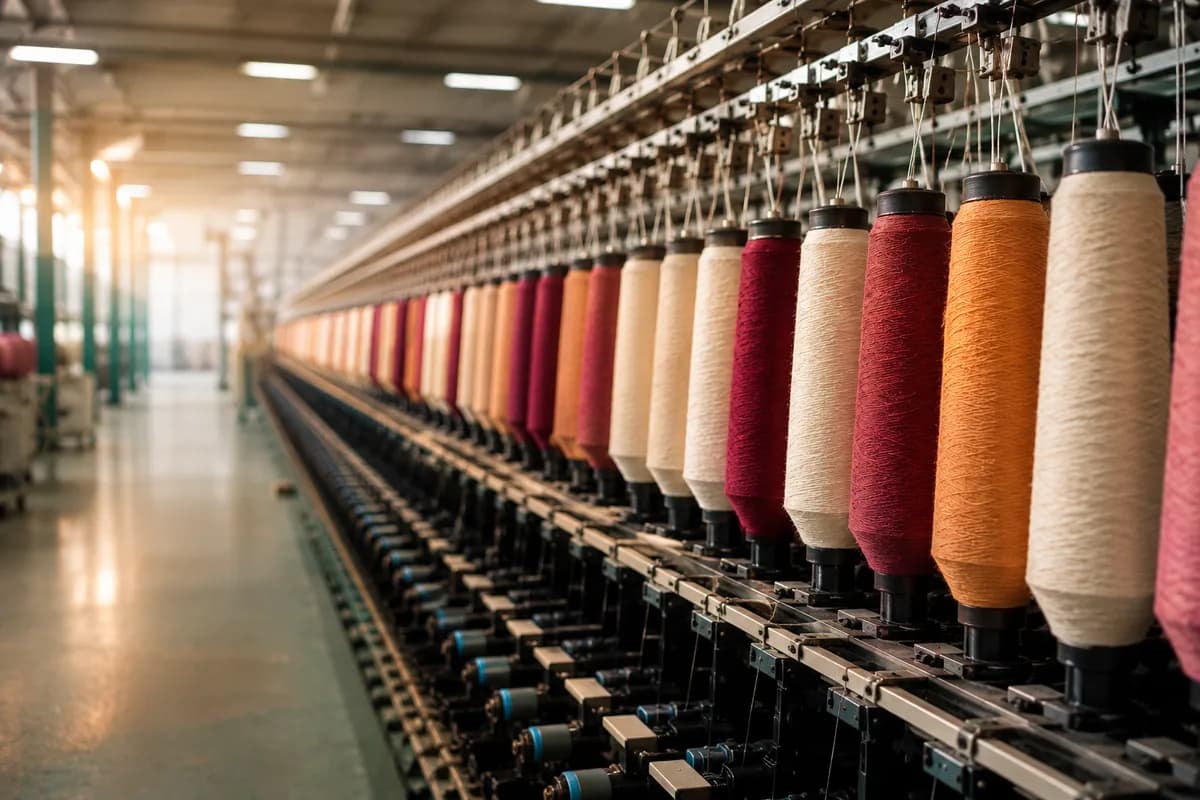
AI Solutions for Textile & Apparel
Plan styles that sell. Cut less cloth. Ship on time.
- Improvement in Forecast Accuracy
- 25–40%Improvement in Forecast Accuracy
- Reduction in Inventory Holding
- 20–30%Reduction in Inventory Holding
- Lower Material Wastage
- 15–25%Lower Material Wastage
- Fabric Defect Detection Accuracy
- 98%+Fabric Defect Detection Accuracy
Industry Challenge
Demand swings by style, size and colour. Lead times run in weeks, not days. Cloth waste and manual checks add cost on top, and most planning still runs on spreadsheets and memory.
AI Opportunities
- Plan demand by style, size and season
- Spot fabric defects on the loom, not at final QC
- Lift marker efficiency so each lay uses less cloth
- Score vendors on lead time and delivery, not habit
- Match the assortment to each channel and store
Our AI Solutions
Demand Forecasting
Style, size and colour level demand plans from your own sales history.
Fabric Defect Detection
Cameras check cloth on the loom and after finishing.
Cut Plan Optimisation
Better markers and lays, so each roll yields more garments.
Inventory Optimisation
Right stock in the right godown and store, week by week.
Vendor Intelligence
Rank suppliers on real lead times and late shipments.
Trend Analytics
See which colours and shapes are moving, in your data and outside it.
Top AI Applications
- Style-Level Demand Forecasting
- Automated Fabric Inspection
- Marker & Cut Plan Optimisation
- Production Line Balancing
- Vendor Performance Scoring
- Assortment Planning
- Shade Matching & Colour QC
- Order Delivery Risk Prediction
Why Textile & Apparel Is Ready for AI
Most apparel forecasts are wrong in both directions at once. Too much of the style that did not move, too little of the one that did. The cost hides in held stock, markdowns, air freight and the order you could not take.
What makes this sector workable is that the drivers are knowable. Style, colour, size curve, channel, season and lead time are all recorded, usually in the ERP. Join them to real sell-through and planning stops being an argument between merchandising and production. It becomes a number you can check.
What We Need From You
You almost certainly have most of this already. Gaps are workable — they change the sequence, not the feasibility.
- Two to three years of sales at style or SKU level
- Style master data: category, fabric, colour, size curve
- Purchase orders and what actually landed, with lead times
- Stock on hand across godowns and retail points
- Markdown and returns history
- For cloth checks: images of the defects you see most
How an Engagement Runs
- 1
Baseline the current forecast
We measure how accurate your planning is today. Without that number there is nothing to improve on and no way to show value.
- 2
Attribute enrichment
Style attributes are cleaned and standardised, so the model learns from the product itself and not from an SKU code that means nothing to it.
- 3
Forecast and compare
Model forecasts run beside your own planning for a full season, so the comparison is real and not a backtest.
- 4
Integrate into planning
Output lands in the tools your planners use, and they can override it. A forecast nobody can adjust is a forecast nobody will use.
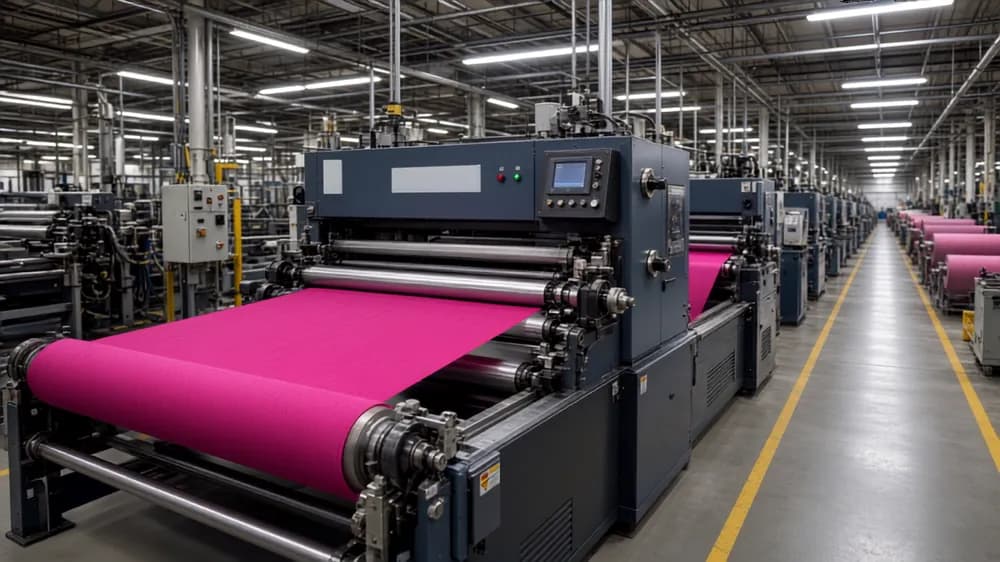
Leading Textile Exporter
Challenge
Planning missed both ways: dead stock on some styles, stockouts on others.
Our Solution
We built a demand model on sales history, season and style attributes.
- Improvement in Forecast Accuracy
- 28%Improvement in Forecast Accuracy
- Reduction in Inventory Holding
- 20%Reduction in Inventory Holding
- Lower Material Wastage
- 17%Lower Material Wastage
Expected Impact
Sharper Planning
Plan cloth and cutting against demand you can defend.
Lower Working Capital
Free the cash that sits in slow styles and dead stock.
Consistent Quality
Catch a shade or weave fault before it ships.
Less Waste
Less cloth on the floor and less power per metre.
Faster Turnaround
Less time from order to dispatch, and fewer air shipments.
Textile & Apparel AI — Common Questions
Yes. This is where the model pays back fastest. It learns from season, style attributes, colour and channel history. That is the pattern a spreadsheet misses: one SKU selling very differently across regions and seasons.
It catches different faults. A camera holds the same standard across a full shift. A person cannot. So it is better on small, repeating defects. Your checkers stay better on odd faults, which is why we run both rather than replacing anyone.
It depends on your product mix and your current marker efficiency. The honest answer is that we measure your baseline first, then plan from that. An industry average tells you nothing about your fabric, your patterns or your cutting room.
No. We work with what you already run. Most textile ERPs give up enough through a database read or a nightly export. Nothing has to be migrated.
Ready to Plan Your Season with Data?
Send us two years of sales history. We will show you what it can predict.
Book a Free Consultation