
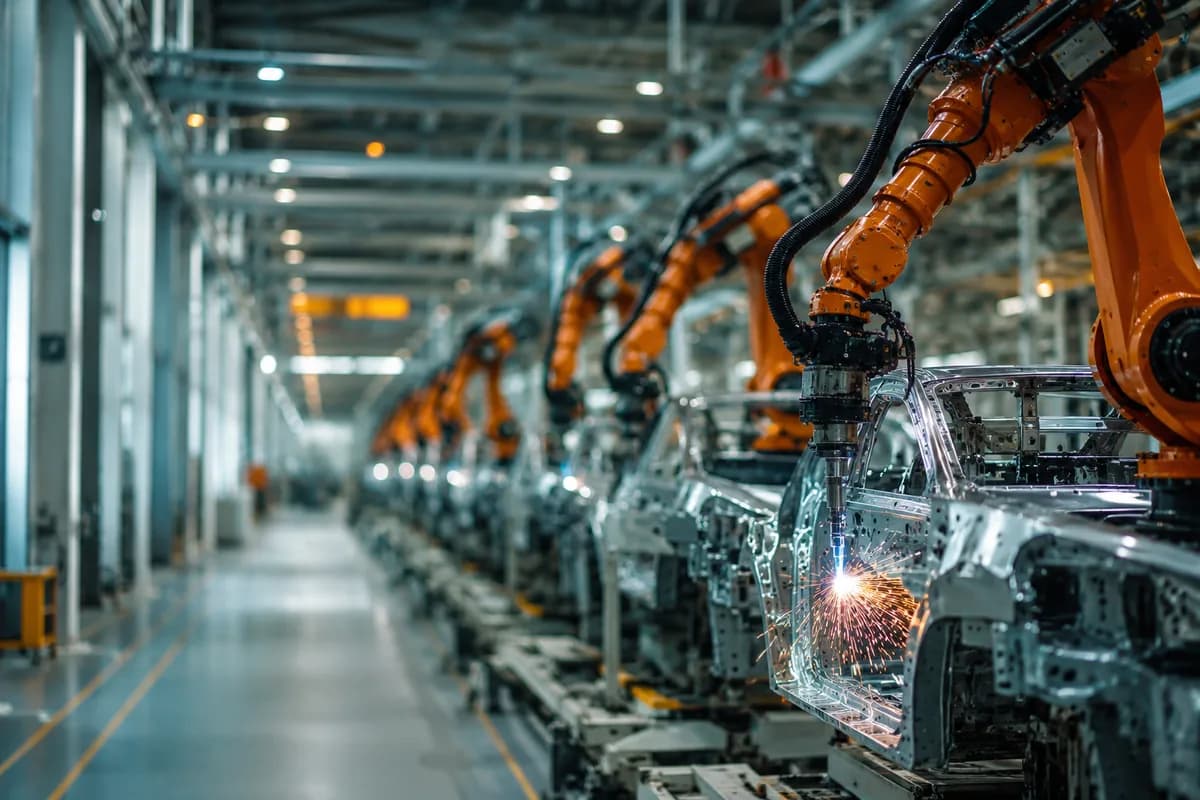
AI Solutions for Manufacturing
Stop breakdowns early. Catch defects on the line. Plan each shift on real numbers.
- Improvement in Operational Efficiency
- 30–50%Improvement in Operational Efficiency
- Reduction in Downtime
- 20–40%Reduction in Downtime
- Reduction in Operational Costs
- 15–25%Reduction in Operational Costs
- Quality & Defect Detection Accuracy
- 99%+Quality & Defect Detection Accuracy
Industry Challenge
Plants are asked to raise output, hold quality and cut cost at the same time. Supply shocks arrive with no notice. Machines log plenty through the PLC, but little of it reaches the person planning the next shift.
AI Opportunities
- Catch a failing motor days before it stops the line
- Plan each shift against orders, not gut feel
- Spot defects with a camera at line speed
- See stock, orders and output in one view
- Give the shift in-charge numbers they can act on
Our AI Solutions
Predictive Maintenance
Flag a failing motor or bearing days before it stops the line.
Quality Inspection
Cameras check each part on the line and mark the bad ones.
Production Optimisation
Better schedules, less changeover time, more output from the same plant.
Supply Chain Intelligence
One live view of stock, orders and supplier promises.
Energy Management
Find where power and fuel go, shift by shift.
AI Analytics Platform
One place for plant data, with reports your team can read.
Top AI Applications
- Predictive Maintenance
- Visual Quality Inspection
- Demand Forecasting
- Smart Inventory Management
- Production Planning & Scheduling
- Yield Optimisation
- Energy Consumption Analytics
- Worker Safety Monitoring
Why Manufacturing Is Ready for AI
Plants in India already hold more usable data than they use. A mid-size unit records downtime, rejection rates, shift output and breakdown history. It sits across PLC logs, ERP modules and paper registers, and nobody has ever joined them up. The value is rarely in collecting more. It is in connecting what you already have.
The economics favour a narrow start. One unplanned stop on a bottleneck line can cost more than the whole pilot. That is why failure alerts and camera checks pay back faster here than in any other sector we work in. Both also show results within weeks, which matters when you need internal confidence before a wider rollout.
What We Need From You
You almost certainly have most of this already. Gaps are workable — they change the sequence, not the feasibility.
- Downtime and breakdown history, ideally 12 months or more
- Maintenance records, planned and breakdown, with parts changed
- PLC, SCADA or sensor logs where you have them
- Quality check results and the reasons for rejection
- Shift schedules and what each shift actually produced
- For camera work: photos of good parts and bad ones
How an Engagement Runs
- 1
Plant walkthrough
We spend a day on the floor with your maintenance and quality leads, to see where the losses really are rather than where the reports say they are.
- 2
Data consolidation
Machine logs, work orders and quality data are joined into one timeline per asset. That step alone usually shows patterns nobody had seen.
- 3
Model and shadow run
The model runs beside current practice without acting, so you can check its calls against what really happened before you trust it.
- 4
Deploy and hand over
Alerts land in the tools your team already uses. You get the working system, the documents and the training, so it does not depend on us.
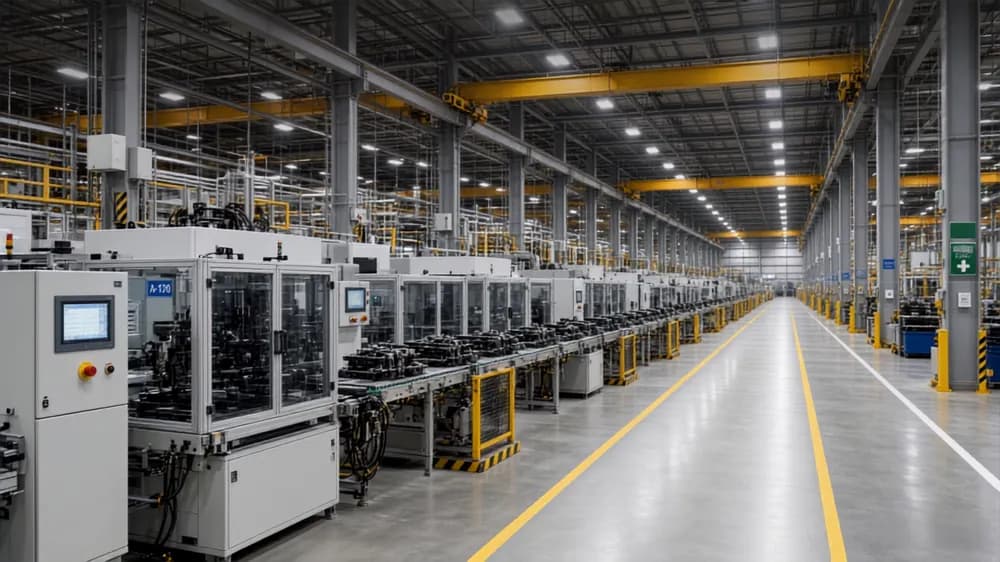
Automotive Component Manufacturer
Challenge
Breakdowns and rejects were holding back output on two lines.
Our Solution
We added failure alerts on key motors and camera checks at final inspection, across two plants.
- Downtime Reduction
- 38%Downtime Reduction
- Increase in Production
- 26%Increase in Production
- Quality Improvement
- 22%Quality Improvement
Expected Impact
Higher Productivity
More output from the same plant and the same shift pattern.
Cost Optimisation
Less scrap, less overtime, fewer rush orders for spares.
Improved Quality
Fewer rejects and less rework, so dispatch holds steady.
Data-Driven Decisions
Numbers your team trusts, ready by the start of each shift.
Sustainable Operations
Lower power use and less material waste on every run.
Manufacturing AI — Common Questions
No. Most plants already hold enough signal in PLC logs, SCADA history and maintenance registers to build a first model. More sensors help. They are not a starting condition. We would rather prove the value on the data you already have, before you spend on hardware.
Usually yes. Detection models run in single-digit milliseconds on modest edge hardware, so line speed is rarely the limit. Lighting and camera placement matter far more. Both get sorted during the pilot.
That is the normal starting point, not a blocker. A spreadsheet is data with untidy formatting. Cleaning and joining it is the first stage of the work. Your own monthly reports usually get better as a side effect.
Little to none. Models run beside your current systems in read-only mode at first. You can compare what they say with what your team would have done. Only once you trust the numbers does anything act on its own.
Ready to Cut Downtime on Your Lines?
Send us one line and one problem. We will tell you what the data supports.
Book a Free Consultation